

As Best Corporate Travel Policies to Implement for Remote Teams takes center stage, this opening passage beckons readers into a world crafted with good knowledge, ensuring a reading experience that is both absorbing and distinctly original.
Exploring the importance of corporate travel policies for remote teams and their impact on cost savings and efficient planning will shed light on the vital role they play in modern businesses.
Importance of Corporate Travel Policies
Implementing corporate travel policies for remote teams is crucial in ensuring smooth and efficient travel arrangements for employees. These policies provide structure and guidelines for employees when it comes to planning and executing business trips.
Benefits of Well-Defined Travel Policies
- Clear Expectations: Having well-defined travel policies helps employees understand what is expected of them in terms of travel arrangements, expenses, and behavior during trips.
- Compliance and Consistency: Corporate travel policies ensure that all employees follow the same guidelines, promoting consistency and compliance with company rules and regulations.
- Cost Savings: By outlining budget limits, preferred vendors, and expense reimbursement procedures, travel policies help control costs and avoid unnecessary expenses.
Contribution to Cost Savings and Efficient Travel Planning
Corporate travel policies contribute significantly to cost savings by setting clear guidelines on expenses, accommodations, and transportation options. By having these policies in place, companies can negotiate better deals with vendors, track expenses more effectively, and optimize travel budgets.
Components of Effective Corporate Travel Policies
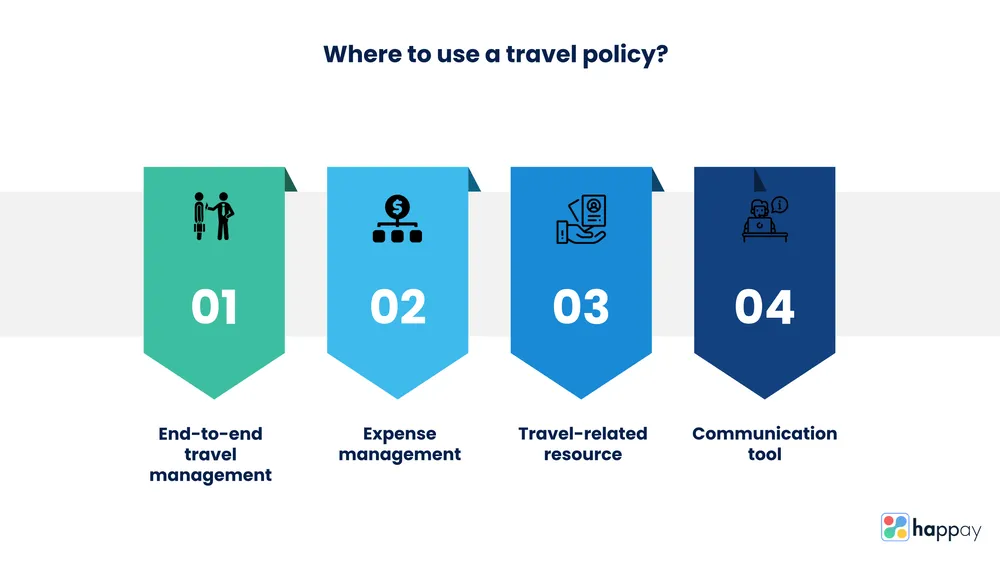
![A Guide to Creating a Corporate Travel Policy 2024 [Template]](https://tour.dhahanews.com/wp-content/uploads/2026/04/Corporate-Travel-Policy-for-Hybrid-Workforce-1024x536-1.jpg "A Guide to Creating a Corporate Travel Policy 2024 [Template]") Implementing corporate travel policies for remote teams is crucial to ensure smooth operations and proper management of resources. These policies should encompass various key elements to address the unique needs of remote employees and the company as a whole.
Implementing corporate travel policies for remote teams is crucial to ensure smooth operations and proper management of resources. These policies should encompass various key elements to address the unique needs of remote employees and the company as a whole.Key Elements to Include:
- Approval Process: Clearly Artikel the procedure for requesting and approving travel expenses, including who has the authority to approve trips.
- Travel Booking Guidelines: Provide specific instructions on how and where to book travel, as well as any preferred vendors or booking platforms.
- Expense Reimbursement Policy: Detail the process for submitting expenses, including what is covered, how to submit receipts, and the timeline for reimbursement.
- Travel Safety Measures: Include guidelines for ensuring the safety and well-being of employees while traveling, such as emergency contacts and travel insurance requirements.
- Technology Requirements: Specify any technology tools or software that remote employees must use while traveling to stay connected and productive.
Structuring Travel Policies:
When structuring travel policies for remote teams, companies can take different approaches based on their specific needs and preferences. Some may opt for a more flexible policy that gives employees autonomy in their travel decisions, while others may prefer a more rigid policy with strict guidelines to control costs and ensure compliance.Best Practices for Creating Comprehensive Policies:
- Consult with Remote Employees: Involve remote team members in the policy creation process to ensure their needs and concerns are addressed.
- Stay Updated: Regularly review and update travel policies to reflect changes in regulations, company needs, and employee feedback.
- Provide Training: Offer training sessions or resources to educate employees on the travel policy and ensure compliance.
- Communicate Clearly: Clearly communicate the travel policy to all remote employees and provide easy access to relevant documents and resources.
- Monitor Compliance: Implement a system to monitor and track travel expenses and ensure adherence to the policy.
Technology Integration in Travel Policy Management
Technology plays a crucial role in streamlining the management of corporate travel policies, making the process more efficient and ensuring compliance across remote teams.
Role of Travel Management Platforms
Travel management platforms are essential tools in enforcing policy compliance within organizations
- Automated Policy Enforcement: Travel management platforms can be customized to flag bookings that do not align with company policies, such as booking outside of preferred vendors or exceeding budget limits.
- Real-time Monitoring: These platforms allow travel managers to monitor employee travel in real-time, ensuring that all trips adhere to the established policies.
- Data Analysis: By collecting and analyzing travel data, these platforms can provide insights into travel patterns, expenses, and compliance levels, helping organizations optimize their travel policies.
Integration of Expense Tracking Tools
Integrating expense tracking tools into travel policy frameworks is another crucial aspect of efficient travel policy management. These tools help organizations track and manage travel expenses, ensuring adherence to budgetary guidelines and policy restrictions.
- Real-time Expense Reporting: Expense tracking tools enable employees to report expenses as they are incurred, providing travel managers with real-time visibility into travel spending.
- Policy Compliance Monitoring: These tools can automatically compare expenses against established policies, flagging any discrepancies and ensuring that all expenses are in line with company guidelines.
- Data Integration: By integrating expense tracking tools with travel management platforms, organizations can streamline the entire travel policy management process, from booking to expense reporting, creating a more cohesive and efficient system.
Addressing Work-Life Balance in Travel Policies
Work-life balance is essential for the well-being and productivity of remote employees, especially during business trips. Incorporating work-life balance considerations into travel policies is crucial to ensure that employees can maintain a healthy balance between work and personal life.
Strategies for Ensuring Work-Life Balance
- Encourage employees to set boundaries: Remote employees should establish clear boundaries between work and personal time, even while traveling for business.
- Provide flexibility in scheduling: Offer remote workers the flexibility to adjust their work hours to accommodate personal commitments or time zone differences during business trips.
- Promote self-care practices: Encourage employees to prioritize self-care activities, such as exercise, mindfulness, and relaxation, to maintain their well-being while on business travel.
Impact of Travel Policies on Employee Well-being and Productivity
- Positive impact: Well-designed travel policies that prioritize work-life balance can lead to increased employee satisfaction, engagement, and productivity.
- Negative impact: Neglecting work-life balance considerations in travel policies can result in burnout, stress, and decreased job performance among remote employees.
- Importance of communication: Open communication between employees and managers regarding work-life balance needs during business trips is essential to ensure a supportive work environment.
Summary
Summarizing the key points discussed, it's evident that implementing effective corporate travel policies is crucial for remote teams. By focusing on technology integration, work-life balance, and best practices, organizations can ensure smooth operations and employee satisfaction.
General Inquiries
How can corporate travel policies benefit remote teams?
Corporate travel policies provide structure and guidelines for remote teams, ensuring cost savings, efficient planning, and compliance with company regulations.
What are some best practices for creating comprehensive travel policies?
Best practices include clear communication, flexibility, cost-consciousness, and leveraging technology for streamlined processes.
How can technology enhance travel policy management for remote teams?
Technology can automate approvals, track expenses, and provide real-time updates, making it easier to enforce policy compliance and ensure smooth travel operations.

![A Guide to Creating a Corporate Travel Policy 2024 [Template]](https://tour.dhahanews.com/wp-content/uploads/2026/04/Corporate-Travel-Policy-for-Hybrid-Workforce-1024x536-1-120x86.jpg)